Deadwood Removal in Allentown, PA
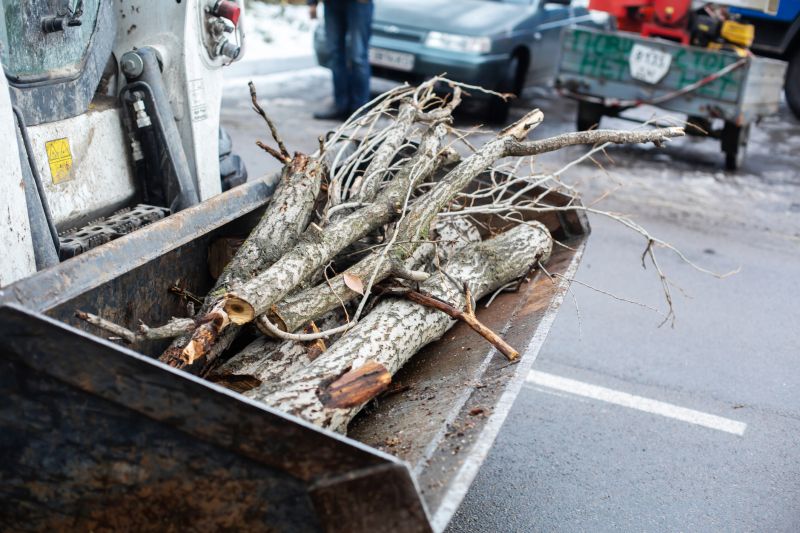
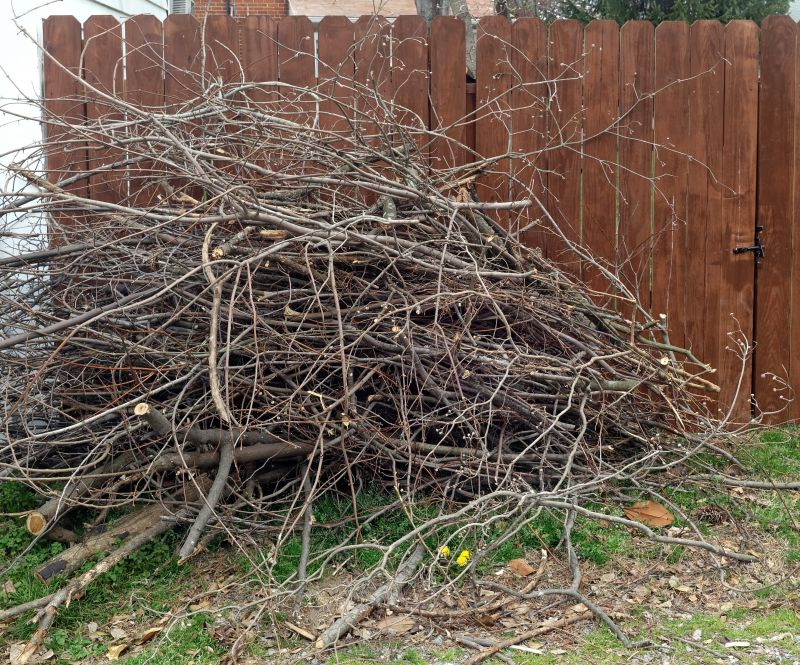
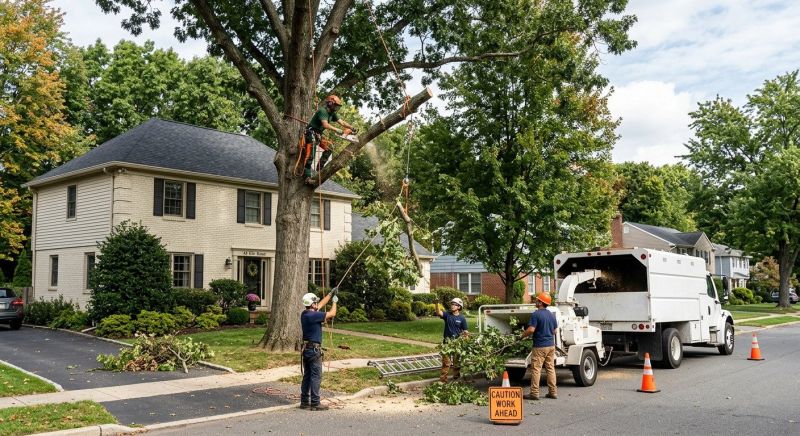
Deadwood removal services involve the safe and efficient removal of dead, dying, or hazardous trees from residential or commercial properties. These projects can include removing individual dead trees, clearing fallen branches, or addressing multiple dead trees that pose safety concerns or obstruct views. Property owners typically seek this service to improve landscape safety, prevent potential damage from falling limbs, or prepare the area for future landscaping or construction projects.
Before requesting deadwood removal, property owners should consider the size and location of the trees or branches involved, as well as any nearby structures, power lines, or other landscape features. It’s also helpful to understand the extent of the removal needed and any potential impact on the surrounding environment. Clear communication about these details can help ensure the project is completed safely and efficiently.
Many property owners in Allentown, PA look into Deadwood Removal for repairs, replacements, upgrades, and appearance-related improvements.
Types Of Deadwood Removed
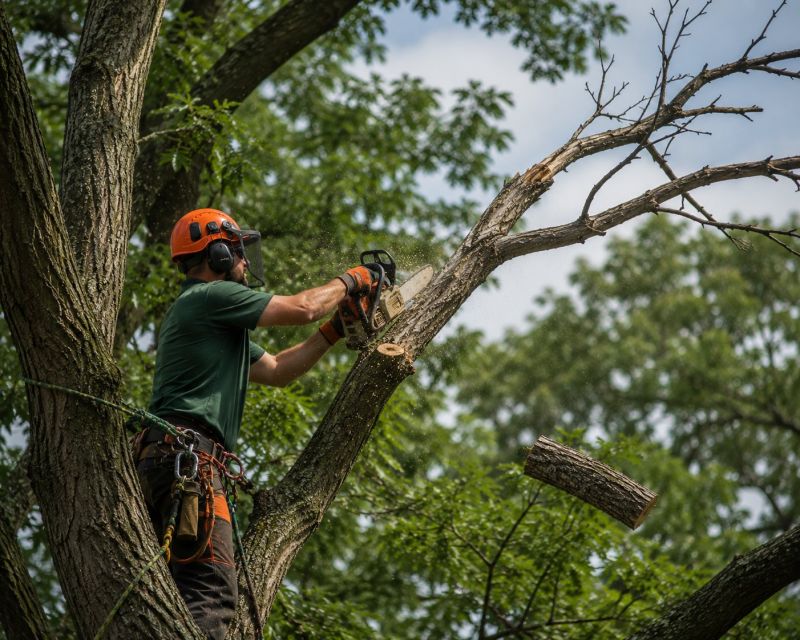
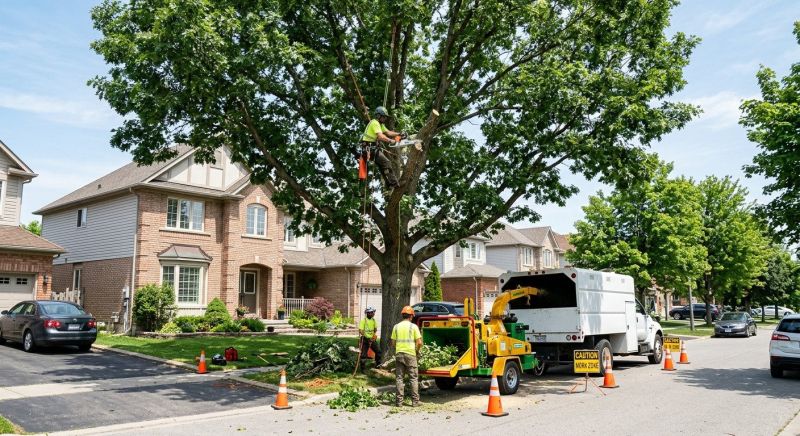
Services include removal of dead branches, fallen trees, and storm-damaged limbs to enhance safety and appearance.
Benefits Of Deadwood Removal
Removing deadwood helps prevent property damage and encourages healthy growth of remaining trees.
Common Situations For Deadwood Removal
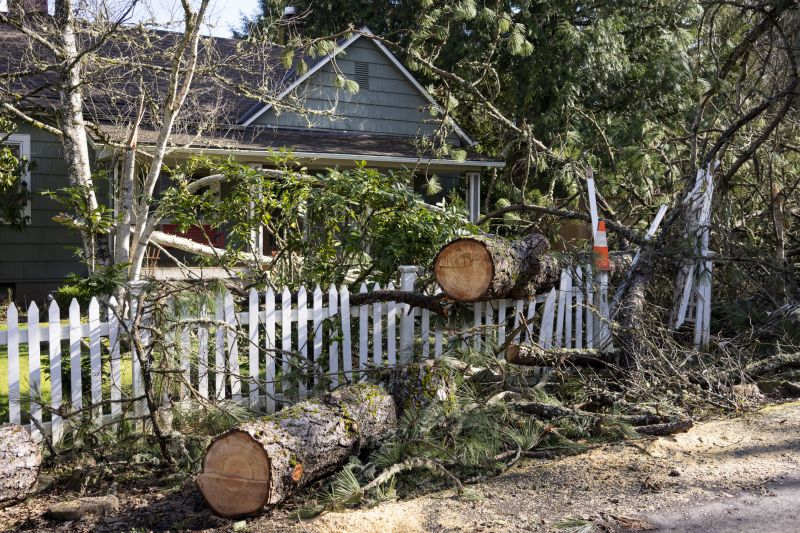
Property owners often request deadwood removal after storms, for landscape maintenance, or to clear hazardous areas around allentown, pa.
Deadwood Removal in Allentown, PA
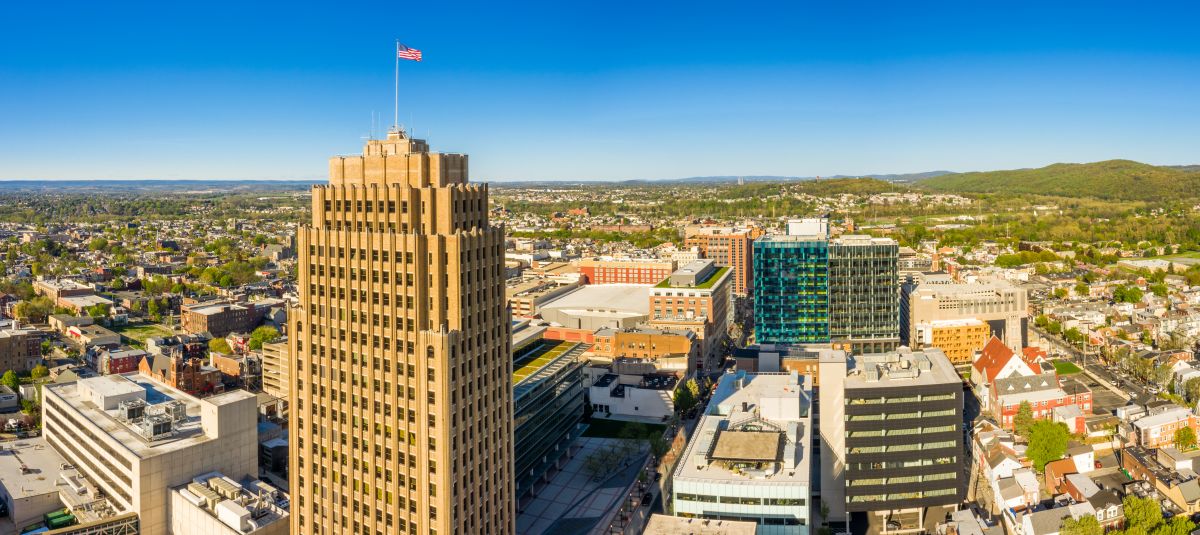
Deadwood removal services involve the safe and efficient removal of dead, dying, or hazardous trees from residential or commercial properties. These projects can include removing individual dead trees, clearing fallen branches, or addressing multiple dead trees that pose safety concerns or obstruct views. Property owners typically seek this service to improve landscape safety, prevent potential damage from falling limbs, or prepare the area for future landscaping or construction projects.
Before requesting deadwood removal, property owners should consider the size and location of the trees or branches involved, as well as any nearby structures, power lines, or other landscape features. It’s also helpful to understand the extent of the removal needed and any potential impact on the surrounding environment. Clear communication about these details can help ensure the project is completed safely and efficiently.
Many property owners in Allentown, PA look into Deadwood Removal for repairs, replacements, upgrades, and appearance-related improvements.
Common Deadwood Removal Jobs
Deadwood Removal - Clearing away dead and decayed wood to improve property safety.
Tree Pruning - Removing dead branches to promote healthy growth and reduce hazards.
Storm Damage Cleanup - Removing fallen or damaged wood after storms to prevent further issues.
Landscape Clearing - Removing deadwood to prepare yards for planting or new landscaping.
Insect and Disease Control - Eliminating deadwood that may harbor pests or spread disease.
Fire Hazard Reduction - Removing deadwood to decrease fire risk around homes and properties.
Deadwood Removal Questions
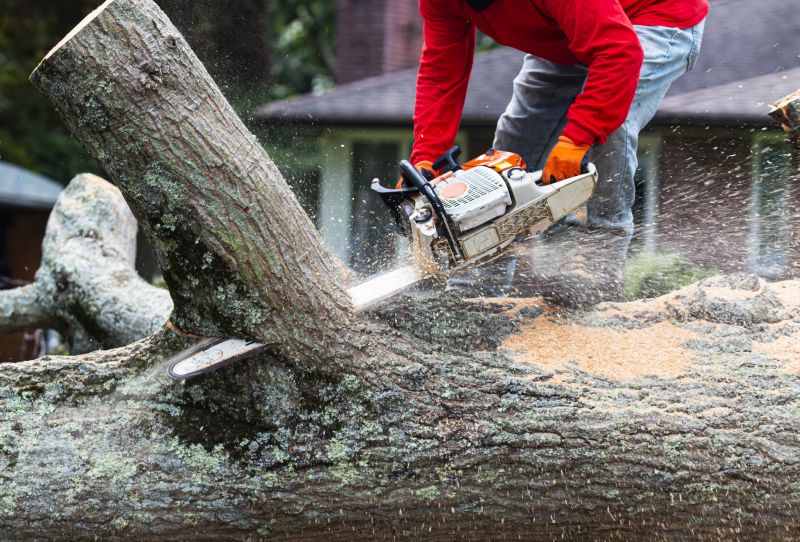
What types of deadwood removal services are available? Services include removing dead branches from trees, clearing fallen limbs, and pruning to improve tree health and safety.
Why is deadwood removal important for property safety? Removing deadwood reduces the risk of falling branches that could cause damage or injury during storms or high winds.
Can deadwood removal improve the appearance of trees? Yes, removing dead or decaying branches can enhance the overall look and health of trees on the property.
What should property owners know before scheduling deadwood removal? It's important to consider the location and condition of trees to determine the best approach for safe and effective removal.
Request Deadwood Removal in Allentown, PA
Use the quote form on this page to share the basics of your project and request more information for the type of work you need.