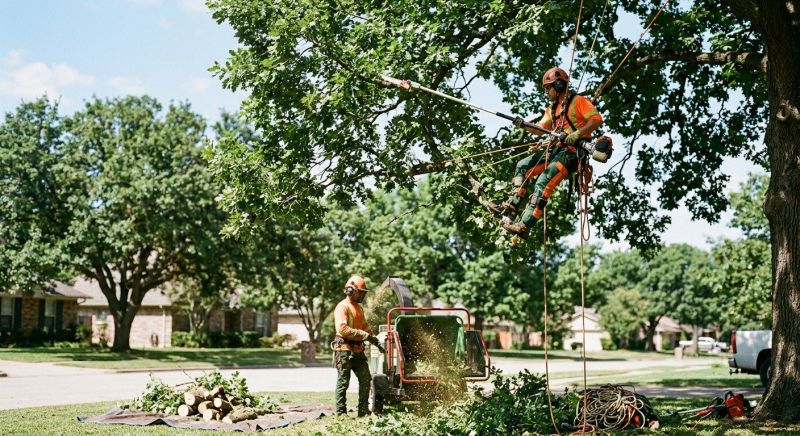
Canopy Pruning in Allentown, PA
Canopy pruning services involve selectively trimming the upper branches and foliage of trees to improve their health, appearance, and safety. This type of pruning is often requested for trees with dense or overgrown canopies, especially when branches are interfering with structures, power lines, or views. Property owners typically seek canopy pruning to promote better airflow, reduce the risk of falling branches, and maintain a balanced, attractive tree shape. It’s important to understand the specific needs of the tree species and the overall landscape to ensure that pruning is performed effectively and safely.
Before requesting canopy pruning, property owners should consider the current condition of the tree, including any signs of disease, damage, or overgrowth. Clarifying the desired outcome-whether it’s aesthetic enhancement, safety, or health-can help guide the pruning process. Additionally, understanding the timing and frequency of pruning for different tree types can contribute to better long-term results. Proper planning and communication about these factors can help ensure the work aligns with the property’s landscape goals.
Many property owners in Allentown, PA look into Canopy Pruning for repairs, replacements, upgrades, and appearance-related improvements.
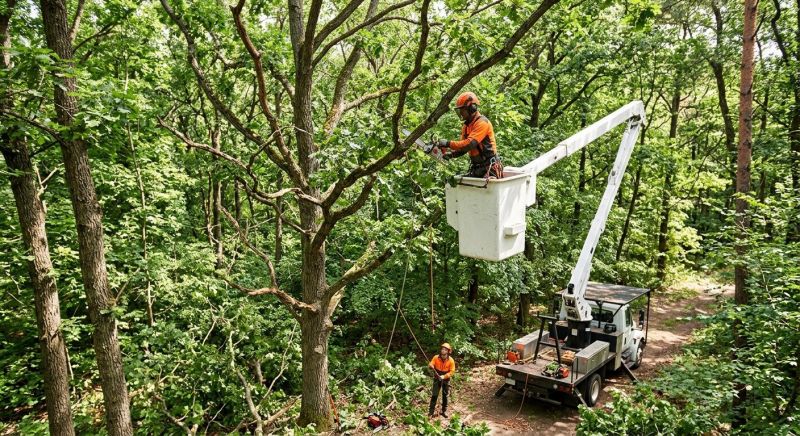
Benefits Of Canopy Pruning
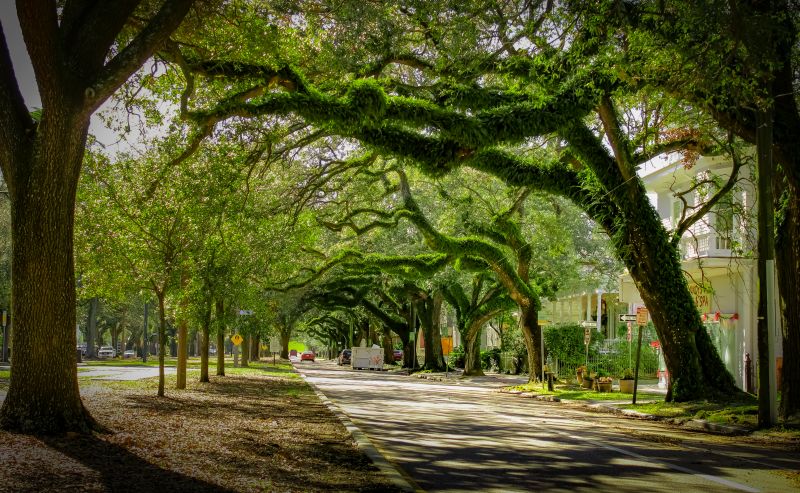
Proper canopy pruning promotes healthier growth and enhances the appearance of trees in residential and commercial properties.
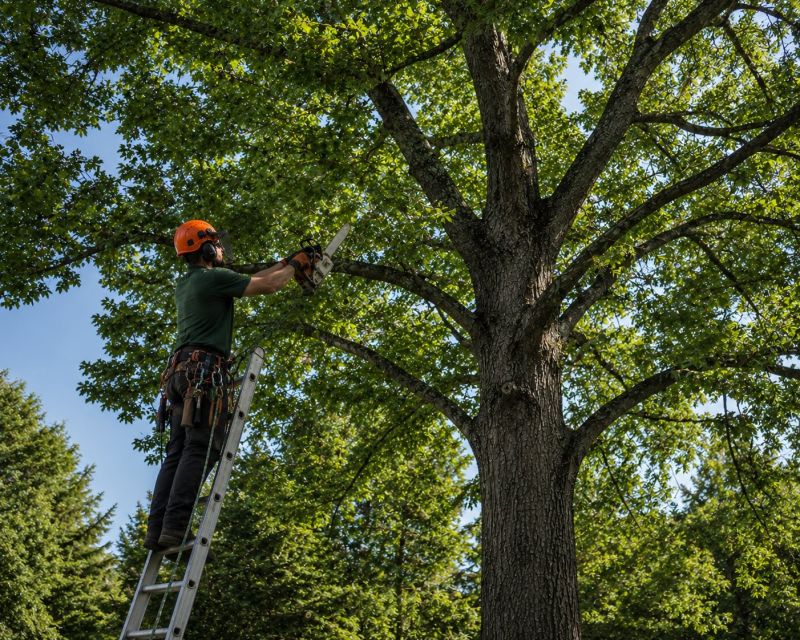
Common Canopy Pruning Techniques
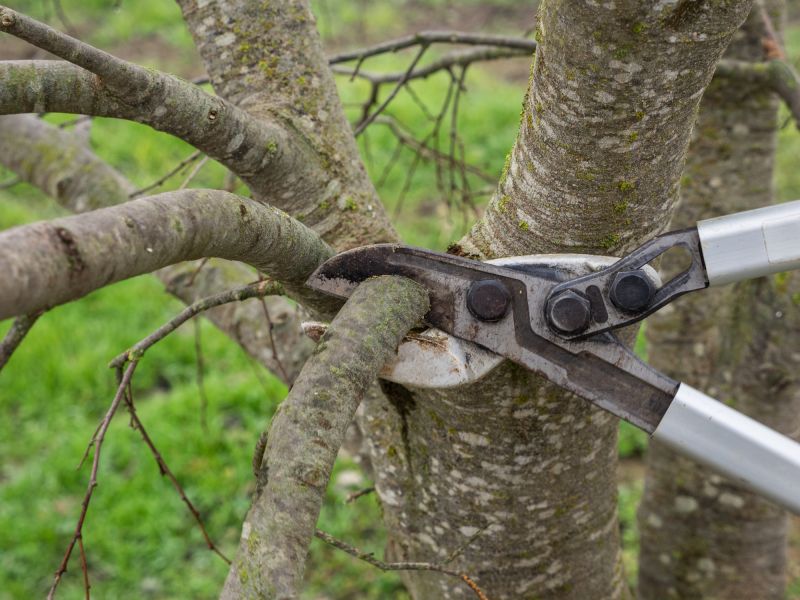
Techniques include thinning, crown reduction, and shaping to maintain safety and aesthetic appeal in landscapes around allentown, pa.
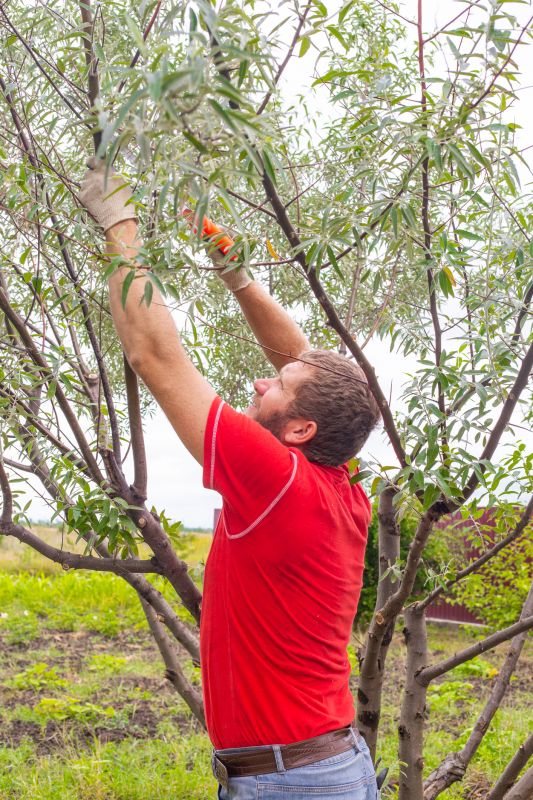
Safety And Maintenance Tips
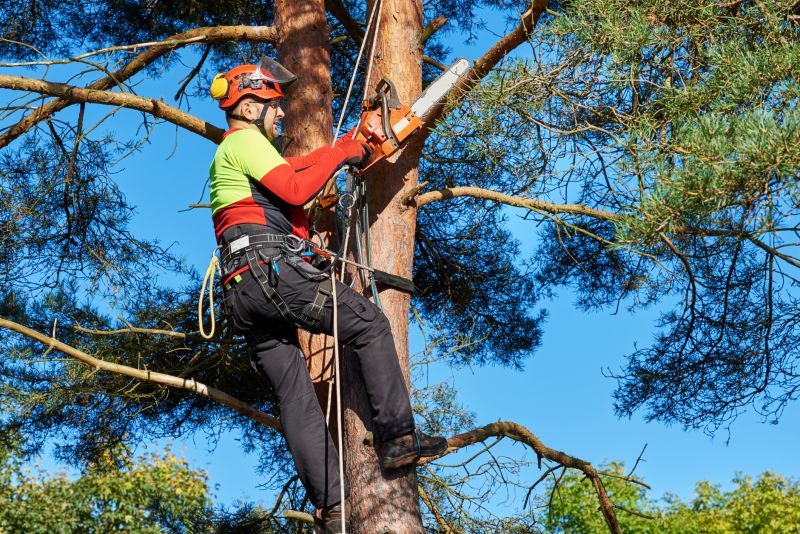
Regular canopy pruning helps prevent branch hazards and ensures trees remain structurally sound for property safety.
Canopy Pruning in Allentown, PA

Canopy pruning services involve selectively trimming the upper branches and foliage of trees to improve their health, appearance, and safety. This type of pruning is often requested for trees with dense or overgrown canopies, especially when branches are interfering with structures, power lines, or views. Property owners typically seek canopy pruning to promote better airflow, reduce the risk of falling branches, and maintain a balanced, attractive tree shape. It’s important to understand the specific needs of the tree species and the overall landscape to ensure that pruning is performed effectively and safely.
Before requesting canopy pruning, property owners should consider the current condition of the tree, including any signs of disease, damage, or overgrowth. Clarifying the desired outcome-whether it’s aesthetic enhancement, safety, or health-can help guide the pruning process. Additionally, understanding the timing and frequency of pruning for different tree types can contribute to better long-term results. Proper planning and communication about these factors can help ensure the work aligns with the property’s landscape goals.
Many property owners in Allentown, PA look into Canopy Pruning for repairs, replacements, upgrades, and appearance-related improvements.
Common Canopy Pruning Jobs
Canopy pruning involves shaping and thinning tree canopies to improve growth and appearance.
Tree thinning reduces density within the canopy to allow better air circulation and light penetration.
Deadwood removal eliminates dead or diseased branches to promote tree health and safety.
Structural pruning corrects branch angles and weak points to prevent future storm damage.
Selective trimming enhances the overall shape and aesthetic of the canopy without over-pruning.
Storm damage pruning removes broken or hazardous branches after severe weather events.
Canopy Pruning Questions
What is canopy pruning? Canopy pruning involves trimming the upper branches of trees to improve structure, remove deadwood, and promote healthy growth.
Why should property owners consider canopy pruning? It helps maintain tree health, enhances safety by reducing risk of falling branches, and improves the appearance of the landscape.
What types of trees benefit from canopy pruning? Most deciduous and evergreen trees can benefit, especially those with dense or overgrown canopies that interfere with property or safety.
When is the best time for canopy pruning? The ideal time varies by tree species, but generally during late winter or early spring before new growth begins.
Request Canopy Pruning in Allentown, PA
Use the quote form on this page to share the basics of your project and request more information for the type of work you need.